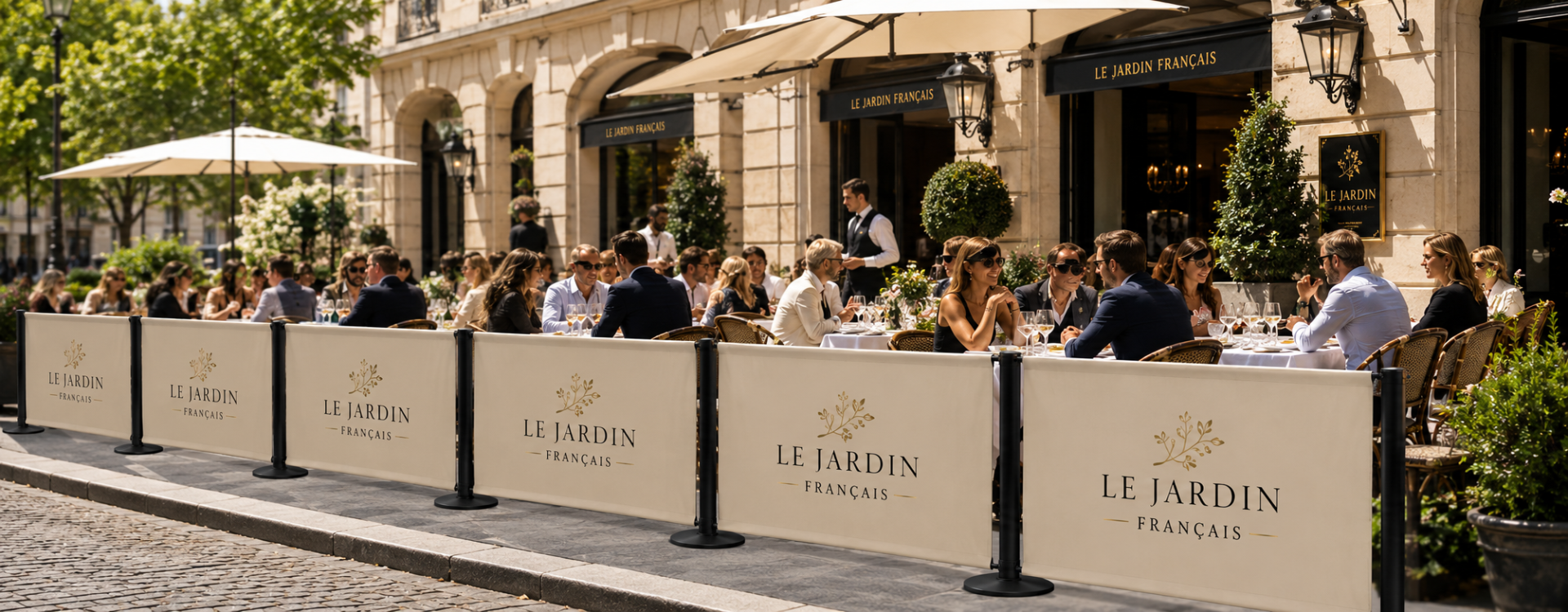
Outdoor layout & SignageCafé terrace layout: the impact of banners on footfall
A well-signalled terrace is a terrace that fills up: discover how banners and visual supports transform an outdoor space into a genuine customer attraction tool. Strategies, formats and best practices for café, bar and restaurant operators.
Each year, as the weather improves, competition between eating and drinking establishments is largely fought outdoors. The terrace becomes the first commercial argument visible from the street. Yet many operators underestimate the role played by visual communication supports - particularly banners - in the ability to capture the attention of passers-by and convert that attention into actual footfall. This article offers a comprehensive and practical analysis of the impact of banners on café terrace footfall, with concrete advice for managers, bar supervisors and B2B buyers in the hospitality sector (Cafés, Hotels, Restaurants).
Why outdoor signage is an under-exploited footfall lever
The external signage of a hospitality establishment serves several simultaneous functions: it informs, it attracts, it reassures and it differentiates. In practice, however, many cafés and bars settle for a fixed sign and a slate menu, overlooking a whole range of dynamic and modular supports that could significantly increase their visibility.
According to several studies on consumer behaviour in urban environments, more than 70% of decisions to stop at a fast-food restaurant or café are made impulsively, in less than three seconds, as the passer-by walks past the storefront. This extremely short timeframe requires immediate, legible and impactful visual communication. This is precisely where banners come in.
💡 Key takeaway: A well-positioned banner at the entrance to a terrace can double the number of glances captured from the opposite pavement, according to field observations made in the urban catering sector.
The terrace as a full-fledged commercial showcase
A terrace is not simply an additional consumption area: it is a 360-degree communication surface. Every element visible from the street - furniture, plants, parasols, and especially signage supports - contributes to building the perceived image of the establishment. A visually lively terrace gives the impression of a living, welcoming and popular place, which is in itself a powerful attraction factor (social proof effect).
Different types of banners suitable for café terraces
Today's market offers a wide variety of banner supports, each meeting specific constraints of space, wind, local regulations and communication objective. Here are the main formats used in the hospitality sector:
🏳️
Pole banner
Mounted on a vertical pole, it offers maximum height and visibility at distance. Ideal for terraces on busy roads or at the entrance to a pedestrian area.
🪧
Roll-up banner
Easy to install and store, this self-supporting format is perfect for visually defining the entrance to the terrace or promoting a seasonal offer.
🎌
Feather flag
Highly visible even in a light breeze, the feather flag creates a movement effect that naturally attracts the eye. Widely used to signal a terrace from a busy thoroughfare.
🔲
Stretched banner on frame
Attached between two anchor points (façade, post, barrier), it defines the space while delivering a message. A robust solution for year-round seasonal use.
🅿️
Banner on crowd control post
An ideal combination of space delimitation and visual communication. The post serves both as a safety support and as a discreet but effective advertising vector.
Choosing the right format based on terrace configuration
The choice of banner format must take into account several parameters: the size of the terrace, its exposure (pedestrian street, roadside, market square), the regulatory constraints of the local authority, and of course the message to be conveyed. A corner terrace will benefit more from tall feather flags, visible from two axes. A terrace set back from the public road will favour horizontal banners stretched at eye level.
The psychological impact of banners on passer-by behaviour
Beyond simple visibility, banners exert a documented psychological influence on passer-by behaviour. Understanding these mechanisms allows operators to better design their visual communication.
The delimitation and space security effect
A terrace whose boundaries are clearly marked - by barriers, posts or banners - is perceived as an organized and professional space. This visual delimitation reassures the potential customer: they know where the establishment's space begins and ends. This reduces hesitation to sit down, especially among solo customers or tourists unfamiliar with the establishment. For further information on physical space structuring, terrace barriers and delimiters constitute an essential complement to banner supports.
Movement as an attention captor
The human brain is biologically programmed to detect movement. Feather flags and wave flags, which ripple in the slightest breeze, exploit this mechanism directly. Even unconsciously, this movement triggers the eye to orient towards the source, giving the establishment an extra fraction of a second to capture the passer-by's attention. This is why terraces equipped with feather flags generally register a higher eye-capture rate than those using only static supports.
Message legibility and information hierarchy
An effective banner respects a strict information hierarchy: the main message (establishment name, flagship offer) must be readable in less than two seconds from a distance of 5 to 10 metres. This requires large font sizes, strong contrast between text and background, and a limitation on the amount of information displayed. The most common mistakes are overloading the banner with text or using colours with poor contrast.
📐 The 3-second rule: If your main message cannot be read and understood in 3 seconds by a passer-by walking at normal pace, your banner is too cluttered. Simplify until you reach this objective.
Banner placement strategies to maximize footfall
A banner's effectiveness does not depend solely on its graphic quality: its positioning in space is equally determining. Poor placement can render even the best visual creation useless.
Identifying pedestrian flows and viewing angles
Before any installation, it is recommended to observe pedestrian traffic flows around the establishment at different times of day. Banners should be oriented towards the main traffic axes, not towards low-traffic areas. An establishment located at the corner of two streets should ideally have two separate devices, each oriented towards a traffic axis.
Height and depth of field
The height of installation determines the distance from which the banner will be visible. A 3 to 4 metre tall feather flag can be seen from 50 metres on an open street. A banner at eye level (1.5 to 1.8 m) will be more effective for close passers-by but less visible at distance. The combination of both heights - signal at distance and proximity message - constitutes the most comprehensive strategy.
Visual consistency with establishment identity
Banners must fit within the overall graphic charter of the establishment: same colours, same typography, same tone as other communication materials (menu, website, social media). This consistency strengthens brand memorization and gives an impression of professionalism that contributes to customer trust. A set of disparate banners, even if individually of good quality, damages the perceived image of the establishment.
- Use 2 to 3 colours maximum, drawn from the graphic charter
- Maintain the same typographic style across all materials
- Coordinate banners with other visual elements of the terrace (tablecloths, parasols, menu boards)
- Plan seasonal variations to renew visual interest
- Incorporate the establishment's logo in a visible but not intrusive way
Regulations and constraints to know before installation
The installation of banners on a café terrace is subject to a regulatory framework that must be understood before any investment. Rules vary by location, zones (historic centre, commercial area, seaside, etc.) and type of support used.
Local planning regulations and restrictions
In the UK, each local authority may have regulations that control the formats, dimensions, locations and sometimes colours of external advertising displays. Before investing in banners, it is strongly advisable to contact your local planning authority to verify the rules applicable to your establishment's address.
Public domain constraints
Any installation on public land (pavement, pedestrian way) may require authorization from the local authority. This authorization is generally granted as part of the terrace licence, but it may impose constraints on the dimensions and types of supports permitted. Supports fixed solely on the private property of the establishment generally escape this constraint, but remain subject to planning regulations.
⚠️ Point of caution: In protected zones (conservation areas, near listed buildings), rules are particularly strict. Planning permission may be required before any external communication support installation.
Banners and terrace delimitation: a holistic approach to layout
Banners do not work in isolation: they are part of a comprehensive terrace layout strategy that encompasses the physical delimitation of space, furniture, lighting and all communication supports. It is the consistency of this overall approach that produces the most powerful attraction effect.
Combining banners and barriers for a professional terrace
The combination of terrace barriers with banner supports constitutes the most comprehensive solution for structuring an outdoor café or restaurant space. Barriers ensure physical delimitation and safety, while banners carry the commercial message. This complementarity makes it possible to simultaneously address two distinct challenges: space organization and customer communication.
Wall solutions to complement the device
For establishments with a façade or wall exposed to the public road, wall solutions provide an additional communication surface that is particularly effective. Panels fixed to the façade, wall display supports or built-in menu holders: these devices complement banners by providing proximity information to customers as they approach the entrance.
Plan layout according to seasons
An effective visual communication strategy for a café terrace takes the seasonal calendar into account. Summer requires UV-resistant and heat-tolerant supports, whilst spring and autumn require devices capable of withstanding wind and rain. Planning modular and easily replaceable supports makes it easier to adapt the message to events (local festivals, sporting events, seasonal offers) without reinvesting in a complete infrastructure.
- Spring: Communication on terrace reopening, light and colourful atmosphere
- Summer: Highlighting cold drinks, lunch deals, evening events
- Autumn: Transition to warm drinks, communication on covered or heated spaces
- Winter: Signage for heated or covered terraces, year-end offers
Selection criteria for a banner for intensive professional use
For B2B buyers in the hospitality sector - whether establishment managers, chain supervisors or buyers for hotel groups - banner selection is based on precise technical criteria that determine the durability and return on investment of the support.
Weather resistance and UV protection
A banner designed to remain outdoors throughout the summer season must be made from materials resistant to UV, rain and wind. Polyester-coated or UV-treated PVC tarpaulins offer superior durability to standard paper or plastic supports. Tear resistance is also an important criterion, particularly for formats exposed to wind.
Ease of installation and replacement
In a professional operating context, the ease of installation and visual change is a decisive criterion. Quick-clip systems, automatic roll-up or eyelet fixing allow you to change a visual in minutes, without special tools or technical expertise. This modularity is particularly appreciated by establishments wishing to regularly adapt their communication.
Stability and safety of supporting structures
The supporting structure of the banner - pole, post, roll-up or frame - must be stable enough to withstand gusts of wind without risk of collapse. For self-supporting structures placed on public land or in busy areas, a weighted or anchored base is essential. The safety of customers and passers-by takes precedence over any other aesthetic or commercial consideration.
Conclusion: making banners a profitable investment for your terrace
Terrace layout at a café is not just about installing tables and chairs. Visual communication, and in particular banners, plays a decisive role in an establishment's ability to attract and retain customers. By combining the right banner format, strategic positioning, strong graphic consistency and knowledge of local regulatory constraints, hospitality operators have access to a powerful and relatively accessible footfall lever.
The most effective approach is one that integrates banners into an overall vision of terrace layout: physical space delimitation, directional signage, seasonal communication and consistency with the establishment's visual identity. This overall consistency is what transforms a simple terrace into an attractive, identifiable and memorable commercial space.
For buyers and managers wishing to structure their approach, it is advisable to start with a visual audit of their terrace: identify viewing angles from the street, locate pedestrian flow zones, and assess current signage legibility. This simple diagnosis allows you to prioritize investments and choose the most suitable supports for each configuration.
Structure and energize your terrace this season
Explore our complete range of barriers, delimiters and signage supports designed for hospitality professionals - robust, modular solutions adapted to the demands of intensive outdoor use.
Discover our terrace solutions



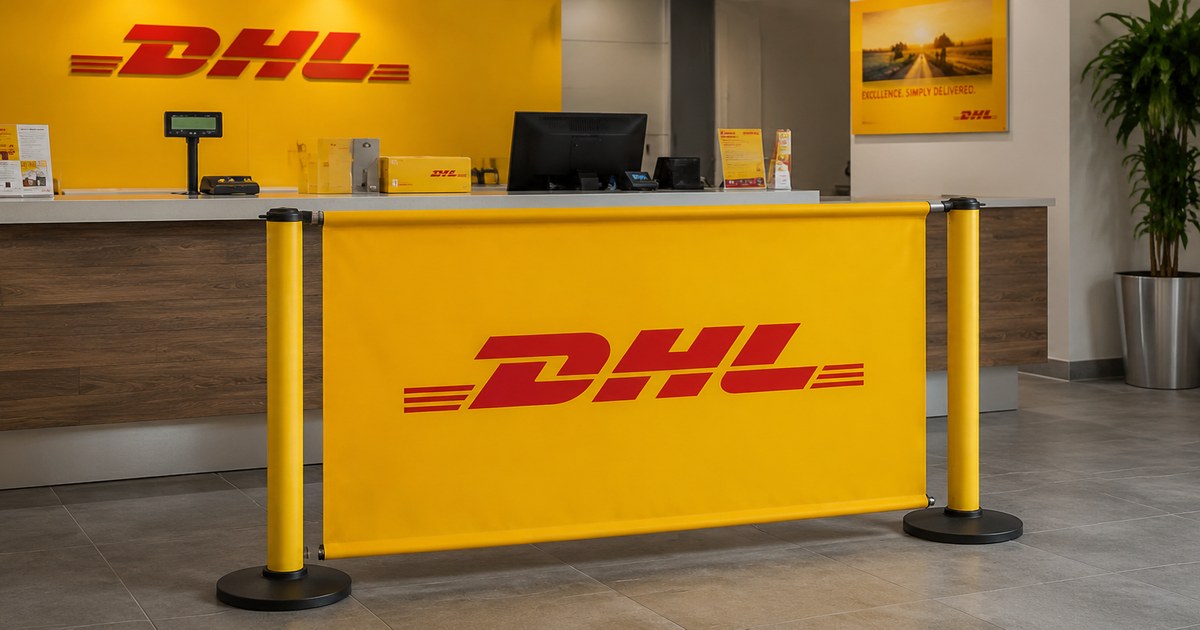 Tips & Advice Custom printed barriers: divide your space and show your brand A free-standing barrier with a banner in your colours: divide and communicate in a single move. Uses, personalisation…
  Our ranges in detail Which base for your barrier post? The 6 bases compared Weighted, magnetic, stackable, fixed or removable: the comparison of the 6 barrier post bases.
 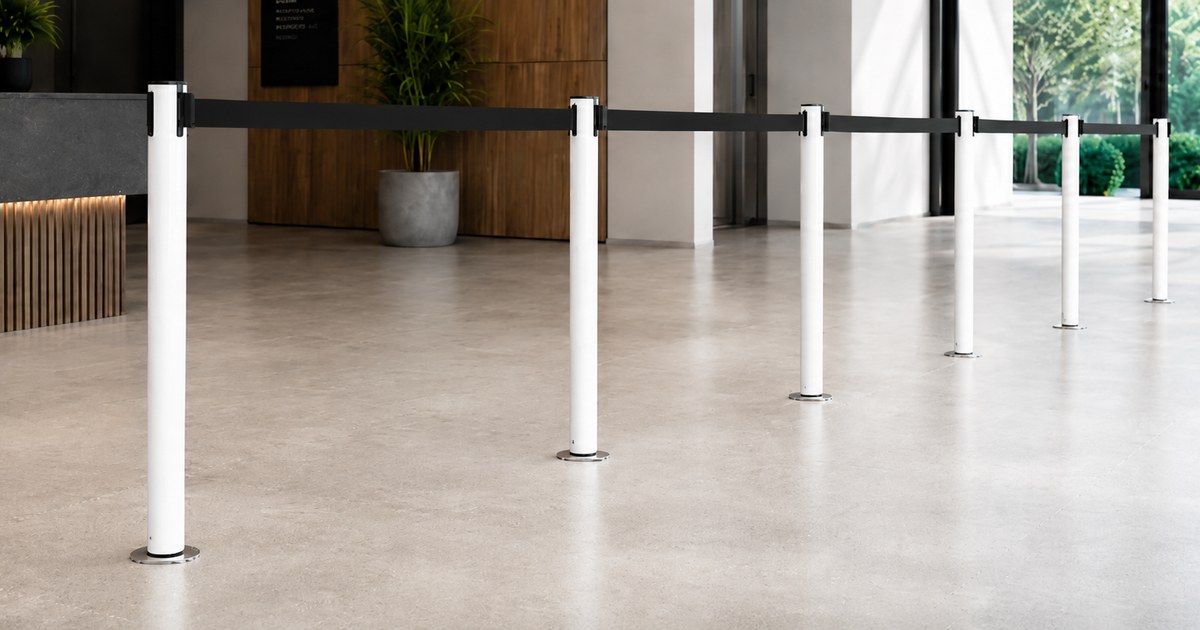 Tips & Advice Removable socketed barrier post: fixed anchoring, mobile freedom A recessed, discreet anchor you remove at will to free the floor: all about the removable socketed barrier post.
 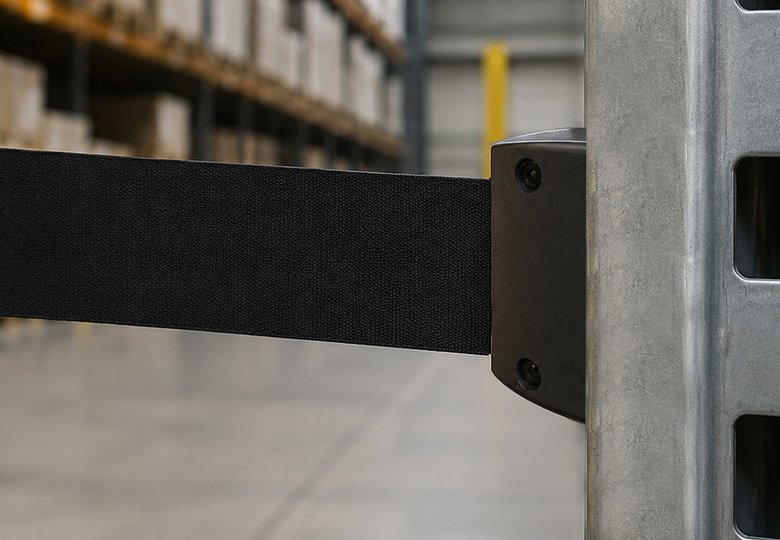 Tips & Advice Strap End: What is the Purpose of Each Finishing Type for Guidance Posts? Standard, security, magnetic or anti-panic: discover the purpose of each strap end for crowd control posts and why…
 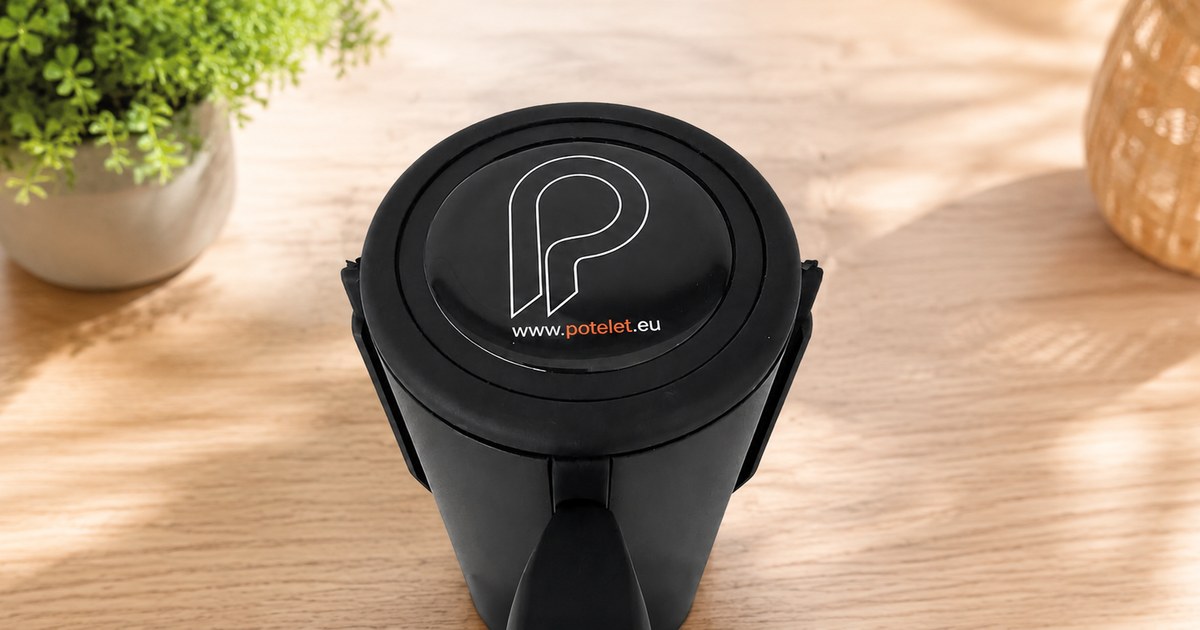 Tips & Advice Post Cap with Strap: Standard, White Label or Customised? Standard, white label or bespoke: the three cap finishes for Potelet® strap posts and how to choose yours.
 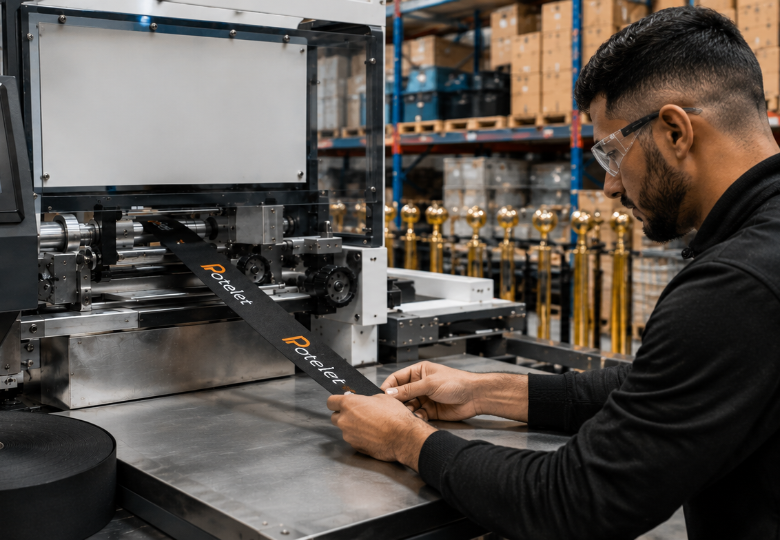 Tips & Advice For personalising the straps on your crowd control posts, insist on textile sublimation! Explanation. Personalise your crowd control post straps with textile sublimation for a professional and durable finish!
  Customisation How to personalise your post strap? Complete configurator guide Discover how to create your personalised strap in 7 steps: RAL colour, HD logo, front/back printing. Our free online configurator for your…