Visitor guidance in museums and exhibitions: discretion and artwork enhancement
In museums, art galleries and exhibition spaces, visitor guidance must meet specific constraints not found in other establishments: protecting irreplaceable artworks, preserving the atmosphere of the venue, directing visitors of all ages and ensuring smooth visitor flow even during peak periods.
The challenges of guidance in a museum context
Unlike a shopping centre or railway station, a museum cannot afford guidance equipment that is too visible or too cumbersome. Every element placed in the space must be designed to:
- Not visually compete with the exhibited artworks
- Integrate harmoniously into the décor and architecture of the venue
- Ensure effective protection without compromising the visitor experience
- Withstand intensive use by a varied public
Rope posts: the discreet ally of museums
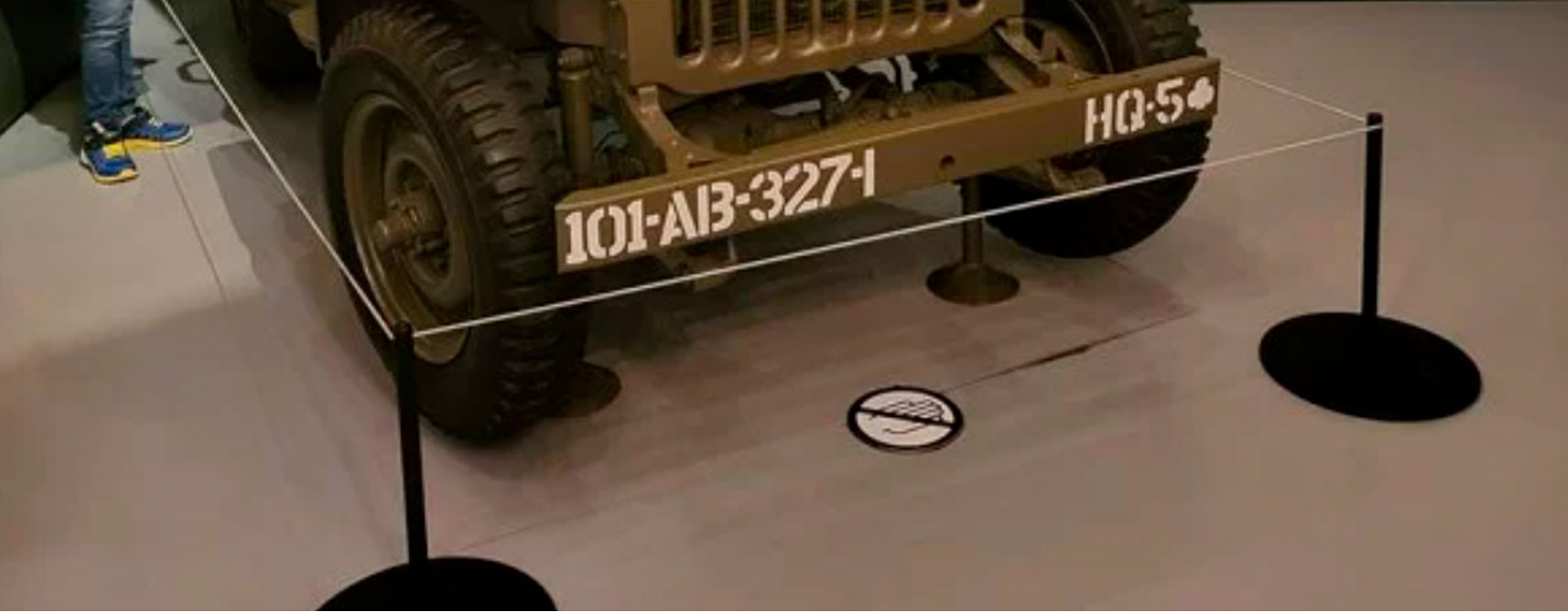
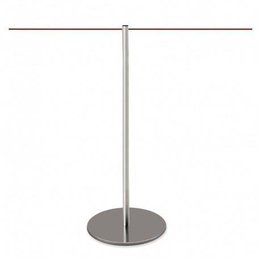
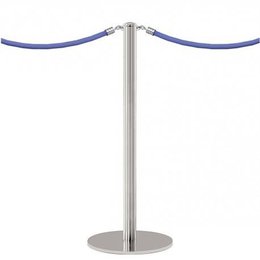
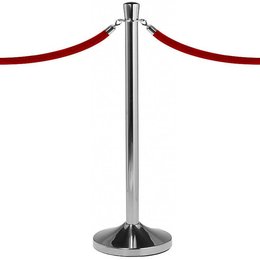
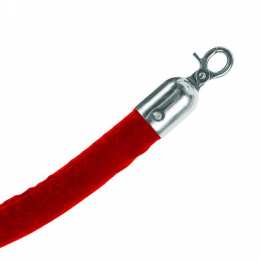
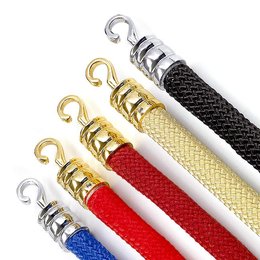
For permanent exhibition rooms, rope posts are often the preferred solution. Their understated finishes (brass, stainless steel, matt black), combined with fine velvet or nylon cords, create an elegant demarcation that respects the atmosphere of the venue.
These posts notably allow:
- Delimiting a safety distance around artworks
- Creating visitor corridors that naturally guide footflow
- Restricting access to certain areas without intrusive signage
- Adapting to the variable layout of temporary exhibitions
Strap posts for reception areas and entrances
In reception areas, ticket offices and museum entrances, retractable strap posts are particularly effective during peak visitor periods. They allow for rapid organisation of long and flexible queues, especially during successful temporary exhibitions.
Tailoring guidance to different spaces
Permanent exhibition rooms
Opt for discreet rope posts with understated finishes and fine cords. The recommended distance between an artwork and the public is generally 50 cm to 1 metre depending on the nature of the work.
Reception halls and ticket offices
Retractable strap posts allow queue management during opening times and peak periods. The zigzag configuration is particularly suited for high-traffic museums.
Temporary exhibitions
Flexibility is paramount here. Guidance systems must be reconfigurable between each exhibition according to the layout of the artworks and desired visitor routes.
The importance of finish selection
In a museum or heritage context, the finishes of posts contribute to the overall ambiance. Depending on the architecture of the venue:
- Brushed stainless steel: understated and modern, suited to contemporary spaces
- Brass or gold: elegant and heritage-appropriate, for historical museums
- Matt black: discreet and refined, ideal for contemporary art galleries
Conclusion
In museums and exhibitions, professional guidance must balance discretion, functionality and aesthetics. Potelet® solutions - whether rope or strap posts - offer finishes suited to every standard level and enable enhanced visitor experience whilst protecting artworks.




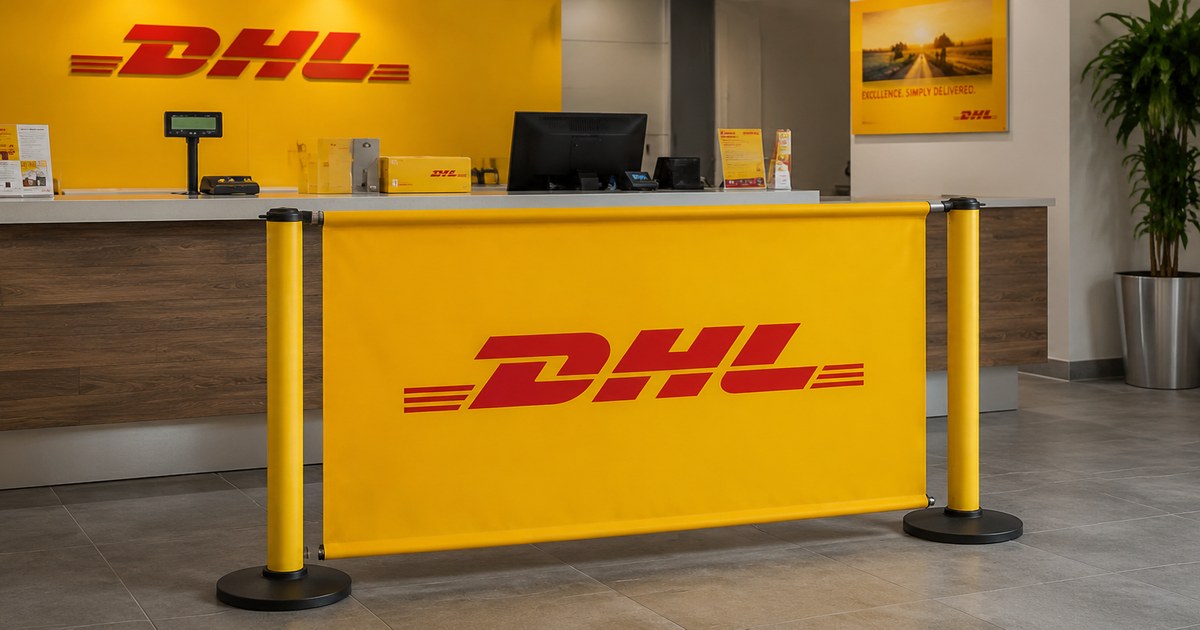 Tips & Advice Custom printed barriers: divide your space and show your brand A free-standing barrier with a banner in your colours: divide and communicate in a single move. Uses, personalisation…
 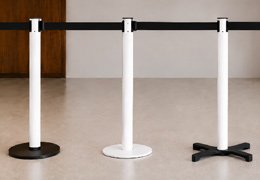 Our ranges in detail Which base for your barrier post? The 6 bases compared Weighted, magnetic, stackable, fixed or removable: the comparison of the 6 barrier post bases.
 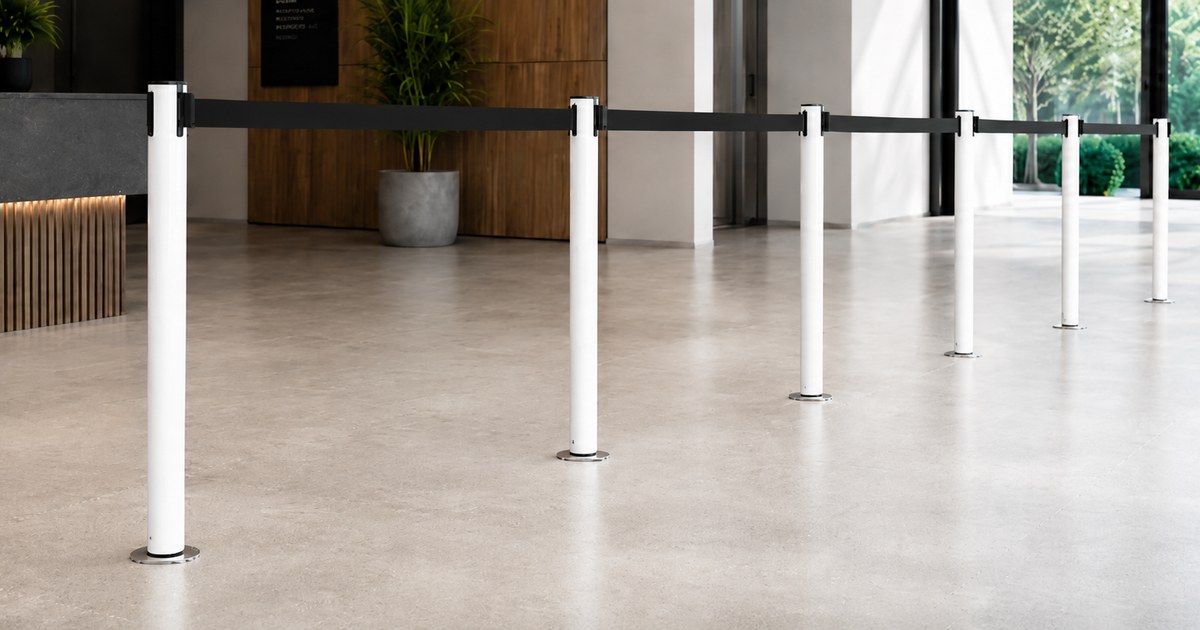 Tips & Advice Removable socketed barrier post: fixed anchoring, mobile freedom A recessed, discreet anchor you remove at will to free the floor: all about the removable socketed barrier post.
 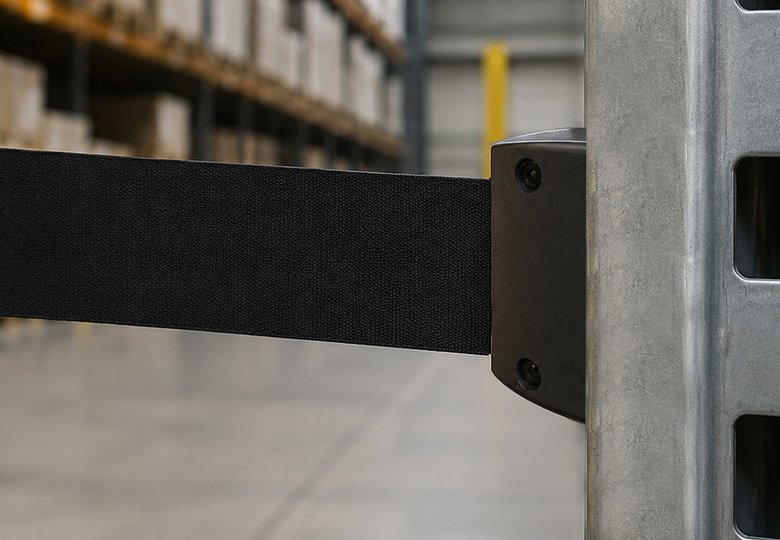 Tips & Advice Strap End: What is the Purpose of Each Finishing Type for Guidance Posts? Standard, security, magnetic or anti-panic: discover the purpose of each strap end for crowd control posts and why…
 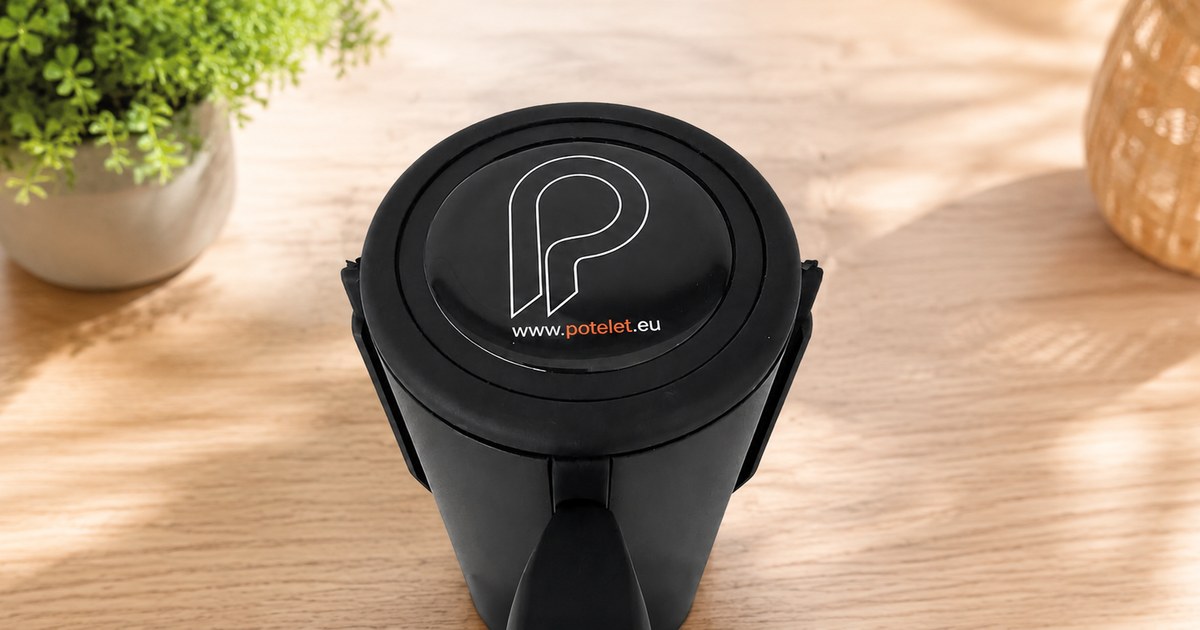 Tips & Advice Post Cap with Strap: Standard, White Label or Customised? Standard, white label or bespoke: the three cap finishes for Potelet® strap posts and how to choose yours.
 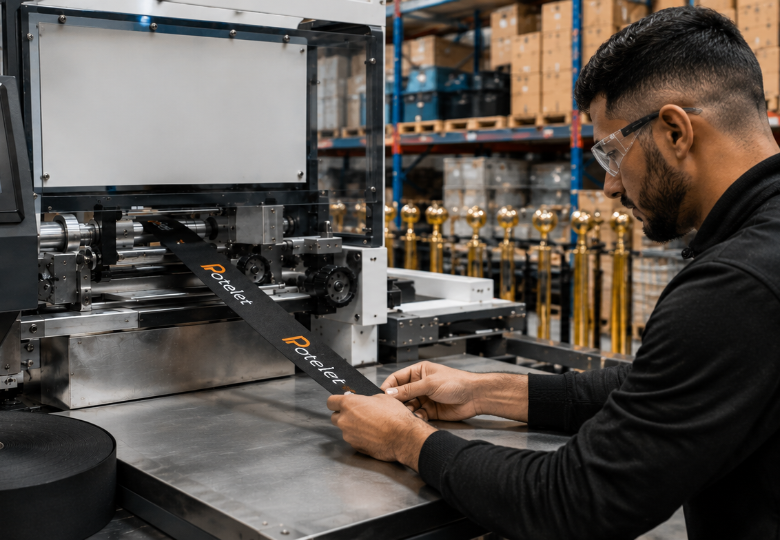 Tips & Advice For personalising the straps on your crowd control posts, insist on textile sublimation! Explanation. Personalise your crowd control post straps with textile sublimation for a professional and durable finish!
 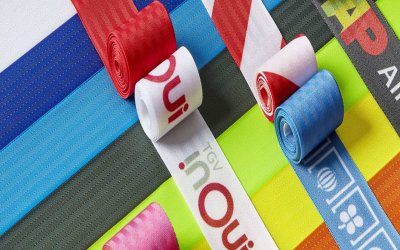 Customisation How to personalise your post strap? Complete configurator guide Discover how to create your personalised strap in 7 steps: RAL colour, HD logo, front/back printing. Our free online configurator for your…